Website: https://www.bestongroup.com/.

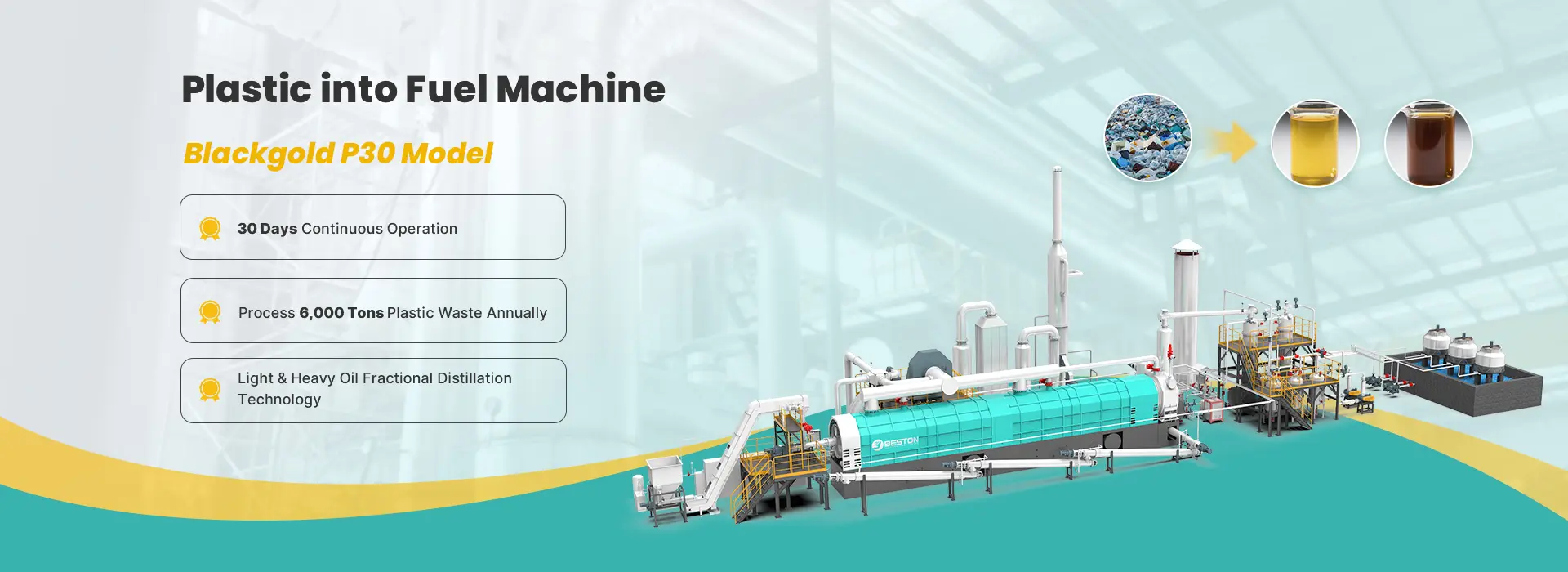
The performance of a plastic pyrolysis process begins long before waste enters the reactor. Feedstock condition has a direct influence on heat transfer, thermal decomposition, vapor formation, condensation behavior, product yield, and equipment reliability. For this reason, waste pretreatment is not merely a preliminary housekeeping step. It is an integral part of operating a plastic to oil machine efficiently and consistently.Improving Feedstock UniformityPost-consumer plastic waste is rarely homogeneous. It may contain polyethylene (PE), polypropylene (PP), polystyrene (PS), multilayer packaging, labels, moisture, metals, soil, and other foreign materials. Each component responds differently to thermal treatment.Sorting helps establish a more predictable feedstock composition. When plastics with similar thermal characteristics are processed together, operators can maintain more stable operating conditions and better anticipate the resulting pyrolysis vapor composition.Particle size is equally important. Large pieces can heat unevenly, while excessively fine material may create feeding and conveying difficulties. A controlled particle-size range improves heat penetration and promotes more uniform thermal decomposition throughout the reactor.Reducing Moisture and Unwanted ContaminantsMoisture consumes thermal energy because water must first be heated and vaporized. Excessive moisture can therefore increase energy demand and interfere with temperature stability.Drying the feedstock before thermal conversion helps concentrate the process on the organic fraction. It can also reduce the amount of water entering the condensation system, making subsequent separation and product handling more manageable.

bestongroup 發表在 痞客邦 留言(0) 人氣()


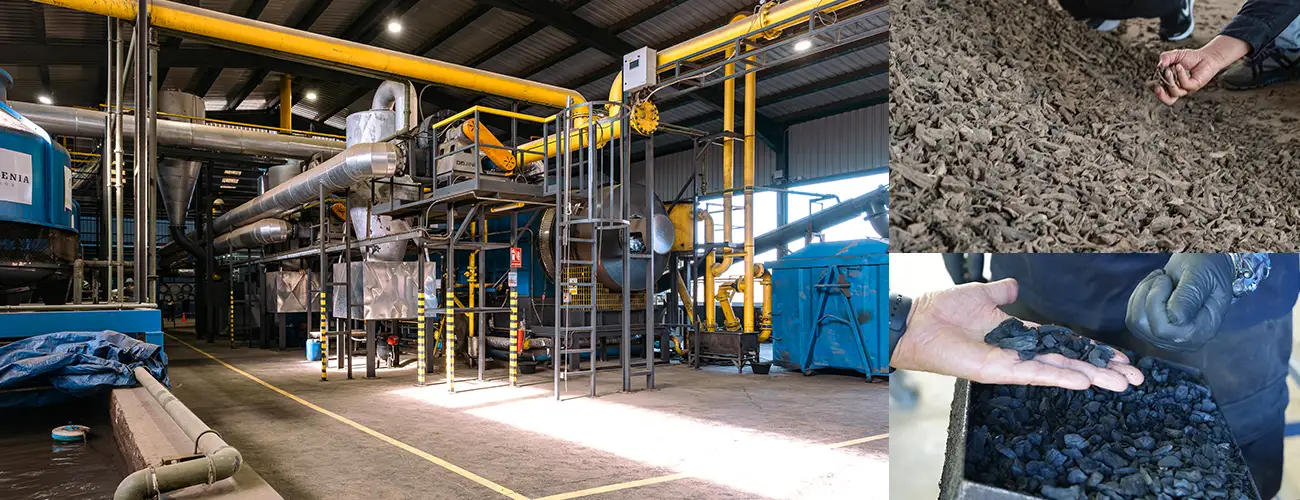
Tire pyrolysis carbon black is a valuable solid product recovered from waste tire thermal conversion. Its quality determines whether it can be used as a low-value fuel substitute, industrial filler, recovered carbon material, or a feedstock for further upgrading.
One of the key quality indicators is total petroleum hydrocarbon (TPH) content. Excessive TPH indicates that residual organic compounds remain attached to the carbonaceous structure after pyrolysis. These hydrocarbons can influence odor, stability, handling performance, and suitability for downstream applications.
Effective TPH control requires a comprehensive understanding of feedstock characteristics, reactor operation, vapor removal, secondary treatment, and product conditioning.
Origin of TPH in Tire Pyrolysis Carbon Black

bestongroup 發表在 痞客邦 留言(0) 人氣()


Carbon dioxide removal requires more than reducing emissions from energy and industrial systems. It also requires practical pathways for extracting atmospheric carbon dioxide and storing it for extended periods. Biochar production equipment provides one such pathway by converting biomass into a stable, carbon-rich material through controlled thermochemical decomposition.Unlike ordinary biomass burning, biochar production is designed to retain a substantial portion of the carbon originally contained in organic feedstock. When the resulting biochar is appropriately stored or applied to soil, part of this carbon can remain sequestered for considerably longer than the original biomass would typically persist.Converting Biomass Carbon into Stable BiocharBiochar production generally uses pyrolysis or carbonization under oxygen-limited conditions. Agricultural residues, forestry by-products, and other suitable biomass enter a carbonization reactor, where controlled heating drives off moisture and volatile compounds.The process reorganizes the organic structure of the feedstock. Easily degradable compounds are converted into gases and vapors, while a larger proportion of the fixed carbon remains in the solid fraction. The resulting biochar possesses a relatively recalcitrant carbon structure, which is one reason it can contribute to long-term carbon storage.Process conditions matter considerably. Temperature, heating rate, residence time, feedstock composition, and moisture content can all influence biochar yield and its physicochemical properties.How Biochar Supports Carbon RemovalThe carbon-removal mechanism is straightforward in principle. Plants absorb atmospheric carbon dioxide through photosynthesis and incorporate carbon into their biomass. If that biomass is rapidly decomposed, much of the carbon eventually returns to the atmosphere as carbon dioxide.Carbonization changes this trajectory.A portion of the biomass carbon becomes concentrated within biochar, which generally decomposes more slowly than untreated organic residues. When the biochar is placed in an appropriate long-term storage environment, the carbon can remain outside the atmospheric carbon cycle for an extended period.

bestongroup 發表在 痞客邦 留言(0) 人氣()


A plastic pyrolysis project requires more than advanced thermal conversion equipment to achieve stable production performance. A well-organized operation and maintenance team is essential for maintaining equipment reliability, controlling operating risks, and ensuring continuous resource recovery.
Because plastic pyrolysis involves high-temperature processing, flammable material handling, gas management, and complex mechanical systems, the operational team must have clear responsibilities and strong technical coordination.
An effective operation and maintenance structure integrates process operation, equipment inspection, safety management, quality control, and troubleshooting into a coordinated workflow. Proper team organization reduces downtime, improves production efficiency, and extends equipment service life.
Establishing a Functional Team Structure

bestongroup 發表在 痞客邦 留言(0) 人氣()


The global accumulation of end-of-life tires presents a persistent waste-management challenge. Tires are durable, bulky, and resistant to natural degradation, making conventional disposal methods increasingly difficult to sustain. At the same time, their composition contains valuable carbonaceous and hydrocarbon resources. This combination has strengthened interest in thermal conversion technologies that can transform waste tires into recoverable products.A continuous waste tire pyrolysis plant addresses this challenge by combining uninterrupted processing with resource recovery, creating a more industrialized pathway for managing large quantities of discarded tires.Converting Difficult Waste into Valuable ResourcesPyrolysis uses controlled heating in an oxygen-deficient environment to decompose tire polymers and other organic components. Rather than simply destroying the material, the process separates its constituents into useful fractions.Depending on the feedstock and system configuration, the main outputs can include pyrolysis oil, recovered carbonaceous material, and combustible non-condensable gas. Steel contained in tires can also be recovered through appropriate separation equipment.This transforms an environmental liability into a portfolio of potentially marketable products. The underlying principle is straightforward: recover value before waste becomes a disposal burden.Continuous Processing for Large Tire VolumesOne of the defining advantages of continuous technology is its ability to maintain material flow throughout the production cycle. Batch systems generally require loading, heating, processing, cooling, and unloading stages, whereas continuous configurations are designed to integrate feeding and discharge into an ongoing operation.

bestongroup 發表在 痞客邦 留言(0) 人氣()


Carbon management is becoming an increasingly important component of industrial decarbonization. While reducing fossil-fuel consumption remains essential, managing atmospheric carbon also requires technologies capable of storing carbon in stable forms. In this context, biomass pyrolysis equipment provides a practical pathway for converting renewable biomass into biochar while simultaneously recovering useful energy products.Converting Biomass into Stable CarbonPyrolysis is a thermochemical process that heats biomass in an oxygen-limited environment. Unlike conventional combustion, the process does not rapidly oxidize all of the organic carbon into carbon dioxide. Instead, a portion of the carbon is retained within a solid carbonaceous product known as biochar.Feedstock can include agricultural residues, forestry by-products, sawdust, wood chips, and other suitable biomass materials. During thermal conversion, the biomass is separated into solid, liquid, and gaseous fractions. The exact product distribution depends on temperature, residence time, feedstock composition, moisture content, and reactor configuration.The solid fraction is particularly relevant to carbon management because biochar can contain relatively stable forms of carbon. When appropriately produced and applied in suitable environments, this carbon may remain outside the short-term atmospheric carbon cycle for extended periods.Improving Carbon Utilization through PyrolysisThe carbon-management potential of biomass pyrolysis equipment extends beyond simply producing biochar. A well-designed system can also recover combustible gases generated during thermal decomposition.These gases can be redirected to the heating system, reducing the need for external fuel. Pyrolysis oil or condensable vapors may provide additional energy or material-recovery opportunities depending on the feedstock and process configuration.

bestongroup 發表在 痞客邦 留言(0) 人氣()


Manure is often treated as a low-value agricultural residue that requires storage, transportation, and careful disposal. Yet its organic fraction contains carbon and nutrients that can be recovered through thermochemical conversion.
Pyrolysis provides a pathway for converting manure into biochar while simultaneously generating combustible gas and condensable products. Instead of allowing untreated manure to undergo uncontrolled decomposition, a controlled thermal process can transform part of its carbon into a more persistent solid form.
The resource potential of manure-derived biochar depends on feedstock composition, moisture content, pyrolysis conditions, contaminant management, and the intended end use.
High Moisture Is the First Technical Challenge

bestongroup 發表在 痞客邦 留言(0) 人氣()


Enabling Sustainable Waste Conversion for Modern Industries
The transition toward a low-carbon future requires industries to rethink how resources are consumed, recovered, and reused. Traditional production models often depend on continuous extraction of fossil resources, generating significant greenhouse gas emissions and increasing environmental pressure.
A pyrolysis plant provides an innovative pathway by converting carbon-containing waste materials into valuable resources through controlled thermal decomposition. Instead of allowing waste streams to accumulate in landfills or undergo inefficient disposal, pyrolysis technology transforms them into useful products such as fuel oil, combustible gas, and carbon-rich materials.
This resource recovery approach supports industrial decarbonization by improving material efficiency and reducing dependence on conventional fossil-based inputs.

bestongroup 發表在 痞客邦 留言(0) 人氣()


Agricultural residues have long been considered a disposal challenge in many farming regions. Materials such as coconut shells are often discarded, burned openly, or left to decompose without generating economic benefits. However, with the advancement of biomass conversion technology, these residues can become valuable resources through efficient carbonization processes.
A coconut charcoal making machine provides an effective solution by transforming discarded coconut shells into high-quality charcoal products. This technology supports resource recovery, reduces agricultural waste accumulation, and creates additional income opportunities for industries involved in biomass utilization.
Converting Coconut Waste into Valuable Carbon Products
Coconut shells contain a high percentage of fixed carbon and possess a dense structure, making them suitable raw materials for charcoal production. Instead of treating shells as agricultural waste, modern processing systems convert them into commercial carbon materials with applications in cooking fuel, industrial heating, activated carbon production, and other fields.

bestongroup 發表在 痞客邦 留言(0) 人氣()


Rice husk is one of the most abundant agricultural residues worldwide and has attracted significant attention as a feedstock for biochar production. Through pyrolysis, rice husk can be converted into a stable carbon-rich material with applications in soil improvement, carbon sequestration, industrial materials, and environmental remediation.
Among the key quality indicators of biochar, fixed carbon content is an important parameter reflecting the degree of carbonization and the proportion of stable carbon retained after thermal conversion. Higher fixed carbon content generally indicates a greater concentration of carbonaceous structures and improved resistance to biological degradation.
However, rice husk biochar often exhibits different characteristics compared with woody biomass biochar. Although rice husk can produce a relatively high biochar yield, its fixed carbon content may be limited due to its high ash concentration, especially silica, and its unique inorganic composition.
Improving fixed carbon content requires optimization of feedstock preparation, pyrolysis conditions, and post-treatment strategies.

bestongroup 發表在 痞客邦 留言(0) 人氣()


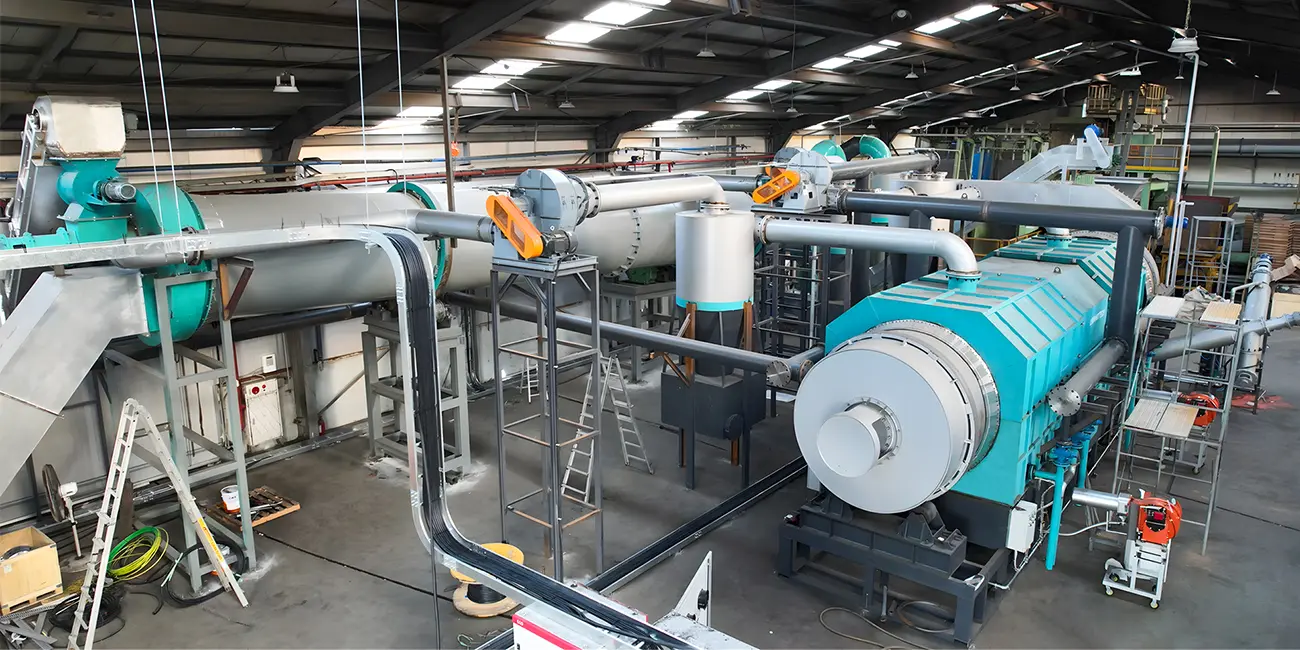
A pyrolysis plant is an advanced thermal conversion system designed to transform organic waste materials into valuable resources under oxygen-deficient conditions. Unlike conventional combustion technologies, pyrolysis relies on controlled thermal decomposition rather than direct burning. This process enables the recovery of useful products such as pyrolysis oil, combustible gas, and carbon-rich residue from materials including waste plastic, used tire, biomass, and oil sludge.
Understanding the working principle and internal structure of a pyrolysis plant is essential for evaluating its performance, operational efficiency, and investment value. The overall system consists of several interconnected components that work together to achieve stable heat transfer, efficient material conversion, and environmental compliance.
Working Principle of a Pyrolysis Plant
The core principle of pyrolysis is the decomposition of organic compounds through high-temperature heating in an oxygen-free or oxygen-limited environment. When waste material enters the reactor, external heat is applied to increase the internal temperature gradually. As the temperature rises, complex hydrocarbons and organic molecules break down into smaller molecular structures.

bestongroup 發表在 痞客邦 留言(0) 人氣()


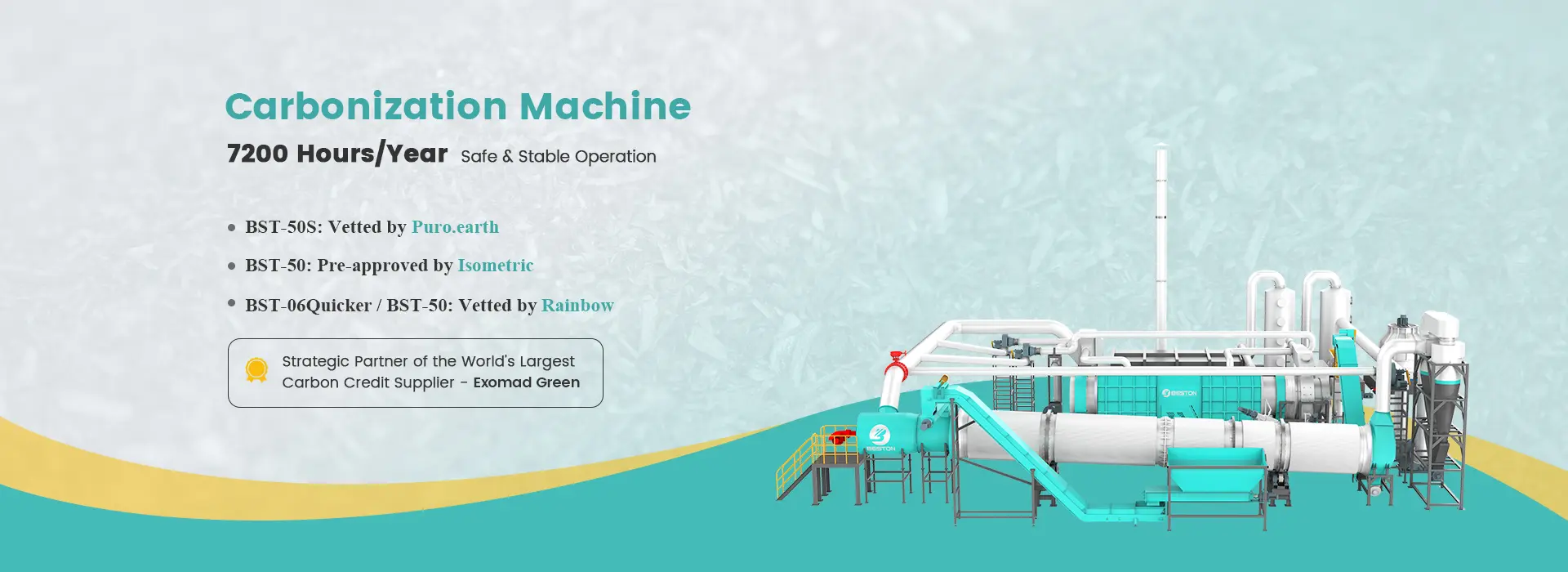
Biochar production projects are increasingly recognized as a practical carbon removal pathway because they can convert biomass waste into a stable carbon-rich material while preventing part of the carbon from returning to the atmosphere.
Unlike emission reduction projects that focus on avoiding future emissions, biochar projects generate carbon removal benefits by capturing atmospheric carbon through plant growth and storing it in a durable form. When biochar is produced under controlled pyrolysis conditions and applied or stored appropriately, the carbon contained within the material can remain stable for decades to centuries.
To monetize this climate benefit, biochar production projects can participate in carbon markets and generate carbon credits. Each verified credit typically represents one metric ton of carbon dioxide equivalent removed from the atmosphere. However, obtaining carbon credits requires more than simply producing biochar. Projects must demonstrate measurable carbon removal, reliable monitoring, and compliance with recognized certification standards.
Establishing Project Eligibility and Carbon Removal Methodology

bestongroup 發表在 痞客邦 留言(0) 人氣()

Blog Stats
⚠️

成人內容提醒

本部落格內容僅限年滿十八歲者瀏覽。
若您未滿十八歲,請立即離開。

已滿十八歲者,亦請勿將內容提供給未成年人士。