PIXNET Logo登入

Welcome to Beston Group!

跳到主文

Recycling for better life!

部落格全站分類:不設分類

  • 相簿
  • 部落格
  • 留言
  • 名片
  • 3月 11 週三 202613:43
  • The Future of Waste-to-Energy: Innovations in Pyrolysis Technology


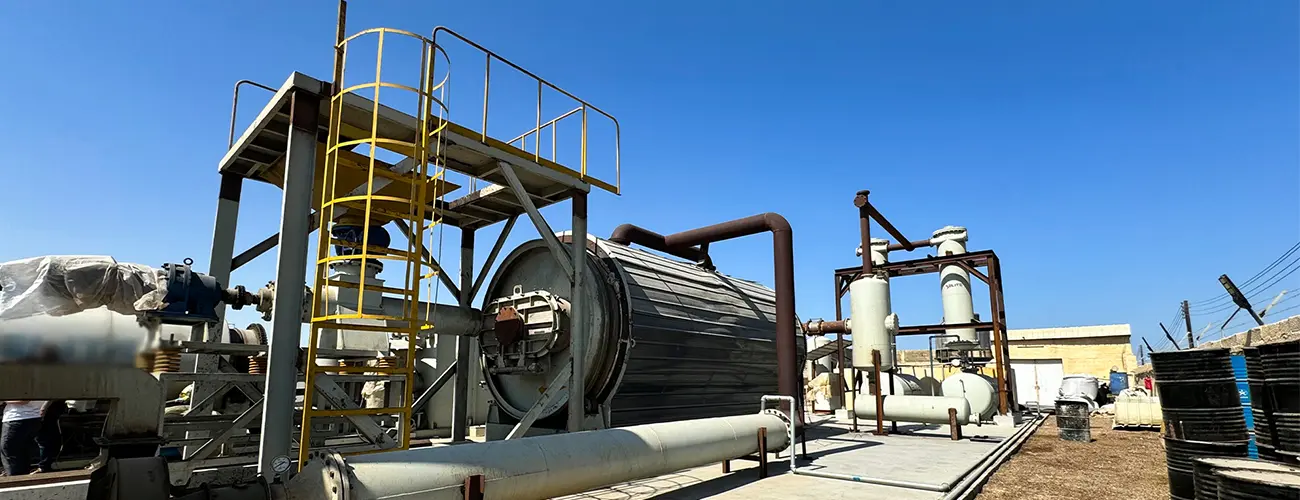
As the world grapples with an ever-growing waste management crisis, the need for innovative, sustainable solutions has never been more pressing. Waste-to-energy (WTE) technologies, particularly those leveraging pyrolysis, are at the forefront of addressing both waste disposal and energy production challenges. Pyrolysis, a process that involves the thermal decomposition of organic materials in the absence of oxygen, has shown great potential in converting waste into valuable energy resources. This process, driven by advancements in pyrolysis reactor design, is transforming the landscape of waste management and energy generation.
The Role of Pyrolysis in Waste-to-Energy Systems
Pyrolysis is gaining significant traction as a waste-to-energy solution due to its ability to handle a variety of feedstocks, including municipal solid waste (MSW), plastic, rubber, and even biomass. The process works by heating waste materials in a pyrolysis reactor to high temperatures, typically between 350°C and 700°C, where they break down into liquid oil, syngas (synthetic gas), and solid carbon char. These by-products can then be further processed or used as fuels, reducing the environmental impact of waste while providing a renewable source of energy.
(繼續閱讀...)
文章標籤

bestongroup 發表在 痞客邦 留言(0) 人氣(2)

  • 個人分類:Tyre/Plastic/Oil Sludge Recycling Solution
▲top
  • 3月 09 週一 202610:43
  • Biomass Pyrolysis and Incineration: A Comparative Analysis


Biomass, which refers to organic material derived from plants and animals, is increasingly being considered as a renewable energy source. Among the various methods of biomass waste disposal and energy recovery, pyrolysis and incineration stand out as two common processes. Both processes offer pathways to convert biomass into useful energy, but they operate under different conditions and produce distinct products. Understanding the mechanisms, advantages, and challenges of biomass pyrolysis and incineration is essential for determining the most suitable method for specific applications. This article provides a detailed comparative analysis of biomass pyrolysis and incineration, with a focus on the operational processes, energy efficiency, and environmental impacts.
Pyrolysis of Biomass
The Pyrolysis Process
Pyrolysis is a thermal decomposition process that occurs in the absence of oxygen. Biomass is heated in a pyrolysis machine at temperatures ranging from 400°C to 700°C. The process results in the breakdown of the biomass into three main products: solid char, liquid bio-oil, and syngas (a mixture of gases such as methane, carbon dioxide, and carbon monoxide).
(繼續閱讀...)
文章標籤

bestongroup 發表在 痞客邦 留言(0) 人氣(2)

  • 個人分類:Biomass Recycling Machine
▲top
  • 3月 06 週五 202611:14
  • Innovative Applications of Charcoal Made from Biomass in Industry

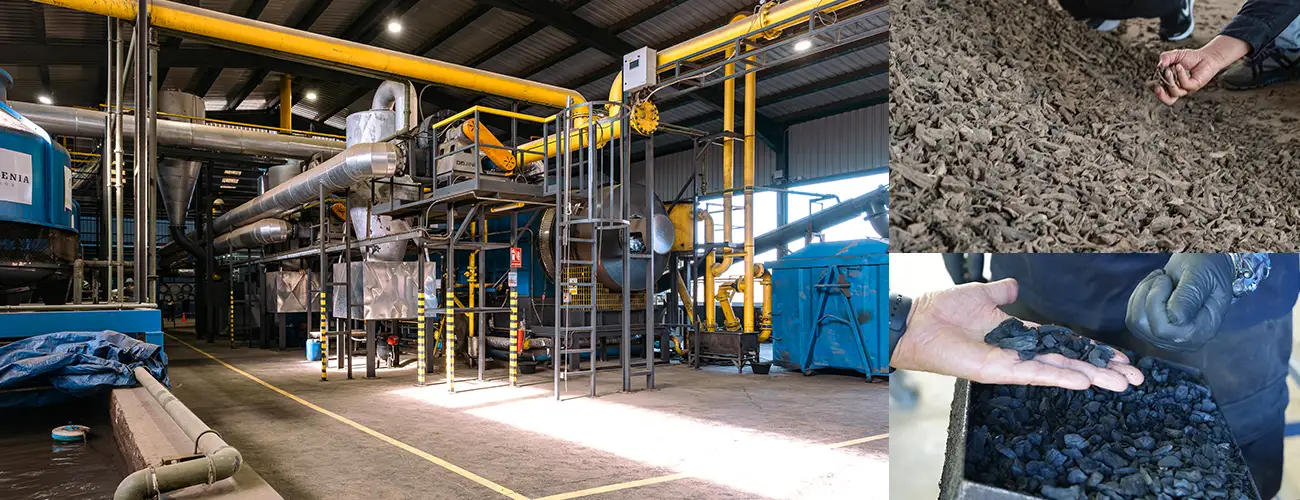
As industries continue to seek more sustainable solutions, the utilization of charcoal made from biomass, commonly referred to as biochar, has gained significant attention. Biochar is produced through the pyrolysis of organic materials such as agricultural residues, wood chips, and other biomass feedstocks. This charcoal, unlike conventional charcoal made from wood, offers numerous industrial applications that not only benefit production processes but also contribute to environmental sustainability.


Biochar: A Sustainable Resource for Industrial Innovation


Biochar offers an eco-friendly alternative to traditional materials in various industrial applications. The production of biochar, often achieved with equipment like the biochar reactor for sale, involves heating biomass in the absence of oxygen, a process that preserves the carbon content and creates a highly stable form of charcoal. This unique structure makes biochar a versatile material with diverse uses across multiple sectors, including agriculture, energy, and manufacturing.


Enhancing Soil Health in Agriculture


One of the most widely recognized applications of biochar is in the agricultural industry, where it is used to improve soil health. When added to soils, biochar acts as a soil conditioner, improving water retention, nutrient availability, and microbial activity. Its porous structure allows it to hold nutrients and water, preventing leaching and enhancing soil fertility. As a result, crops can grow more efficiently with reduced reliance on chemical fertilizers, making biochar an essential tool in sustainable farming practices.


Additionally, biochar contributes to carbon sequestration. When incorporated into the soil, it locks carbon in a stable form, preventing it from being released back into the atmosphere as carbon dioxide. This feature aligns with global efforts to mitigate climate change and reduce the carbon footprint of agriculture.


Biochar in Energy Production and Waste Management


Biochar's potential as a renewable energy source has also led to innovative applications in energy production. The gas produced during the pyrolysis process—known as syngas—can be captured and used as a fuel for power generation. This energy recovery aspect of biochar production not only reduces reliance on fossil fuels but also supports the circular economy by transforming waste biomass into valuable energy.


Moreover, biochar can be used in waste management systems. Biomass waste, including agricultural residues and forest byproducts, is often underutilized, leading to inefficient waste disposal methods like burning or landfilling. By using a biochar reactor for sale to convert this waste into biochar, industries can reduce their environmental impact while recovering valuable resources. This process also alleviates pressure on landfills, making it an environmentally friendly solution to waste management challenges.


Industrial Applications in Manufacturing


Biochar's applications extend into manufacturing, where it is increasingly used in the production of various materials and goods. One notable example is its use in the production of carbon black, a key component in the manufacturing of tires, rubber products, and plastics. Carbon black, traditionally derived from fossil fuels, can now be produced sustainably from biochar, reducing the carbon emissions associated with its production.


Biochar is also being explored as a material in the production of advanced materials, such as carbon composites and conductive materials used in electronics. Its high surface area and conductive properties make it an attractive alternative to other carbon-based materials, offering industries a sustainable and cost-effective option for producing high-performance products.


Water Purification and Filtration


In addition to its uses in agriculture and energy production, biochar has found innovative applications in water purification. Due to its porous structure and ability to adsorb contaminants, biochar is used in water filtration systems to remove heavy metals, pesticides, and other toxins from water sources. This application is particularly valuable in areas where water quality is compromised, offering a low-cost and environmentally friendly solution to clean water access.


Conclusion


The innovative applications of charcoal made from biomass, or biochar, are transforming industries in ways that promote sustainability and resource efficiency. Whether enhancing soil health in agriculture, recovering energy from waste, or contributing to the production of eco-friendly materials, biochar has proven to be a versatile and valuable resource. As technology continues to advance, the use of biochar in industrial applications will likely expand, offering a sustainable path forward for various sectors looking to reduce their environmental impact. The availability of biochar reactors for sale further supports this growth, making it easier for industries to adopt this transformative technology and contribute to a greener, more sustainable future.


(繼續閱讀...)
文章標籤
charcoal machine

bestongroup 發表在 痞客邦 留言(0) 人氣(2)

  • 個人分類:Biomass Recycling Machine
▲top
  • 3月 03 週二 202613:51
  • How Waste Plastic Pyrolysis Plant Enables Zero Waste Solutions in Plastic Recycling


The global plastic waste crisis has reached alarming levels, with millions of tons of plastic being produced and discarded annually. Traditional recycling methods often fall short of addressing the sheer volume of plastic waste, leaving a substantial portion to be landfilled or incinerated. A waste plastic pyrolysis plant offers a groundbreaking solution to this problem by converting plastic waste into valuable by-products through a process known as pyrolysis. This technology plays a crucial role in the transition toward zero waste solutions in plastic recycling, offering both environmental and economic benefits.
The Pyrolysis Process and Its Role in Plastic Recycling
A waste plastic pyrolysis plant works by subjecting plastic waste to high temperatures in an oxygen-free environment. This process, called pyrolysis, breaks down the plastic polymers into smaller molecules, producing a range of valuable by-products, including oil, gas, and carbon black. The oil can be further refined and used as an alternative fuel, while the gas can be harnessed to power the plant itself, creating a self-sustaining energy cycle. The carbon black can be used in the production of new materials, such as rubber and construction products.
(繼續閱讀...)
文章標籤

bestongroup 發表在 痞客邦 留言(0) 人氣(3)

  • 個人分類:Tyre/Plastic/Oil Sludge Recycling Solution
▲top
  • 2月 28 週六 202617:39
  • Key Considerations for Pyrolytic Treatment of Oil Sludge


Oil sludge, a byproduct of industrial processes such as petroleum extraction, refining, and storage, is one of the most challenging waste streams to manage. Its hazardous nature, combined with its complex chemical makeup, makes it difficult to treat using conventional methods. However, pyrolysis has emerged as a promising solution for converting oil sludge into valuable resources such as oil, gas, and solid char. While pyrolysis presents significant advantages, several technical considerations must be addressed to ensure the process's efficiency, safety, and long-term sustainability.


Understanding Oil Sludge Composition


Heterogeneous Nature of Oil Sludge


Oil sludge is a heterogeneous mixture that includes oil, water, sand, heavy metals, and organic compounds. This variability presents challenges in terms of uniformity and consistency during the pyrolysis process. The oil content typically consists of hydrocarbon-rich fractions, while water and other contaminants can interfere with the thermal decomposition process. Identifying and quantifying the composition of the sludge before treatment is crucial for process optimization.


The Role of Water Content


Water content is one of the most significant variables that affect the efficiency of oil sludge pyrolysis. Excess moisture can reduce the energy efficiency of the process, as additional heat is required to evaporate the water before the sludge can undergo pyrolysis. Pre-drying or dewatering the oil sludge before introducing it into the oil sludge pyrolysis plant can help optimize energy consumption and improve overall performance.


Pyrolysis Process Parameters


Temperature Control


Temperature plays a critical role in the pyrolysis of oil sludge. If the temperature is too low, incomplete decomposition may occur, resulting in lower yields of valuable products. Conversely, excessively high temperatures can lead to the formation of unwanted byproducts such as tar and ash, which can reduce the quality of the recovered oil and gas. Typically, the optimal temperature for oil sludge pyrolysis ranges from 350°C to 550°C. Maintaining a stable temperature within this range is essential for maximizing efficiency and product yield.


Heating Rate and Residence Time


The rate at which heat is applied to the oil sludge, as well as the residence time within the reactor, can significantly influence the outcome of the pyrolysis process. Rapid heating tends to produce lighter hydrocarbons and gases, while slower heating promotes the formation of heavier oil fractions. Residence time must be carefully managed to ensure complete thermal degradation without over-processing, which could reduce the quality of the final products. Balancing heating rate and residence time is essential for optimizing pyrolysis results.


Reactor Design Considerations


Reactor Type and Geometry


The design of the pyrolysis reactor is fundamental to the success of the oil sludge treatment process. Several reactor types can be used, including batch, semi-continuous, and continuous systems. Batch reactors are typically more flexible but may suffer from longer downtime between cycles, while continuous reactors allow for higher throughput and more consistent operation.


The geometry of the reactor affects the efficiency of heat transfer and the ability to maintain a uniform temperature distribution. A well-designed reactor should facilitate smooth flow of feedstock, minimize heat loss, and optimize vapor collection.


Residuals and Ash Handling


A significant byproduct of oil sludge pyrolysis is solid residue, which often includes ash and unreacted materials. The handling of these residuals must be incorporated into the process design. Proper separation of ash from valuable char and ensuring that it is safely disposed of or utilized is essential to minimizing environmental impact and ensuring compliance with regulatory standards.


Product Handling and Recovery


Oil Recovery and Quality


The pyrolysis of oil sludge results in the production of liquid oil, which can be refined and used as a fuel or feedstock for other processes. However, the quality of the recovered oil can vary depending on the composition of the sludge and the operating conditions of the pyrolysis plant. High-quality oil requires careful control of temperature, pressure, and residence time during the pyrolysis process. Additionally, implementing a multi-stage condensation system can improve oil recovery and product quality by separating lighter and heavier fractions.


Gas Recovery and Utilization


Non-condensable gases generated during pyrolysis, such as methane, hydrogen, and carbon monoxide, can be used as an energy source to fuel the pyrolysis plant itself, making the process more energy-efficient. However, these gases may contain impurities, such as sulfur compounds, that need to be removed before they can be safely utilized. Incorporating gas cleaning and filtration systems into the pyrolysis plant is crucial for ensuring the quality of the recovered gas and minimizing emissions.


Environmental Considerations


Emissions Control


Pyrolysis of oil sludge generates a variety of gases, some of which may be harmful if not properly managed. The presence of sulfur compounds, heavy metals, and volatile organic compounds (VOCs) requires robust emission control systems to prevent air pollution. A well-designed pyrolysis plant should include mechanisms such as scrubbers, filters, and catalytic converters to capture and neutralize harmful emissions before they are released into the atmosphere.


Regulatory Compliance


Given the hazardous nature of oil sludge, regulatory compliance is a critical consideration when implementing pyrolysis technology. Different regions have varying regulations concerning waste treatment, air quality, and emissions, and failure to comply can result in legal penalties and damage to a company’s reputation. A thorough understanding of local regulations is essential when designing, operating, and maintaining a pyrolysis plant.


Operational and Maintenance Challenges


Equipment Durability


The harsh operating conditions of oil sludge pyrolysis—high temperatures, corrosive chemicals, and abrasive materials—place significant strain on equipment. Regular maintenance and the use of high-quality, durable materials are essential for minimizing downtime and ensuring long-term operational efficiency. The reactor, condensers, and gas collection systems must be regularly inspected and maintained to ensure optimal performance and prevent system failures.


Process Optimization and Automation


To maximize the efficiency of the pyrolysis process, it is important to continuously monitor and adjust operational parameters such as temperature, feedstock input, and residence time. Automation systems equipped with real-time sensors and control algorithms can help optimize these parameters and ensure consistent product quality. Automation also reduces human error and enhances overall plant safety.


Strategic Planning for Oil Sludge Pyrolysis Projects


Financial and Feasibility Analysis


Before investing in an oil sludge pyrolysis plant, it is essential to conduct a comprehensive financial and feasibility analysis. This should include a detailed cost-benefit analysis, considering factors such as capital investment, operating costs, revenue potential from oil and gas recovery, and potential savings from waste disposal. Additionally, it is important to evaluate the availability and consistency of feedstock to ensure a reliable and cost-effective supply chain.


Long-Term Sustainability


While pyrolysis offers a promising solution for oil sludge treatment, its long-term sustainability depends on continuous optimization and adaptability. Technological advancements, regulatory changes, and market dynamics can all influence the success of a pyrolysis plant. Staying informed about emerging technologies and market trends will help ensure that the plant remains competitive and efficient over time.


In conclusion, while the pyrolysis treatment of oil sludge offers a promising solution for waste management, achieving optimal results requires careful consideration of a range of factors. From feedstock preparation and reactor design to emissions control and product recovery, each stage of the process must be carefully managed to ensure efficiency, safety, and regulatory compliance. With proper planning, a well-designed pyrolysis plant can serve as an effective and sustainable solution for oil sludge disposal and resource recovery.


(繼續閱讀...)
文章標籤

bestongroup 發表在 痞客邦 留言(0) 人氣(3)

  • 個人分類:Beston Products
▲top
  • 2月 25 週三 202613:50
  • A Comprehensive Guide to Charcoal Making Equipment and Its Applications


Charcoal has been a vital resource for centuries, used for various purposes ranging from energy production to industrial applications. With increasing demand for sustainable alternatives, the use of charcoal has evolved, leading to the development of advanced charcoal making equipment. These machines not only streamline the charcoal production process but also enhance its efficiency and environmental benefits. This guide provides an in-depth look at charcoal making equipment and its wide-ranging applications.
What is Charcoal Making Equipment?
Charcoal making equipment refers to machinery designed to convert biomass materials—such as wood, agricultural residues, and other organic materials—into charcoal. The process, known as carbonization, involves heating these materials in a controlled, oxygen-limited environment, causing them to decompose and release volatile compounds. The result is a high-carbon, energy-dense product known as charcoal, which has numerous applications.
(繼續閱讀...)
文章標籤

bestongroup 發表在 痞客邦 留言(0) 人氣(0)

  • 個人分類:Biomass Recycling Machine
▲top
  • 2月 12 週四 202614:11
  • Understanding the Role of Catalysts in Continuous Pyrolysis Equipment


Understanding the Role of Catalysts in Continuous Pyrolysis Equipment
Continuous pyrolysis equipment is pivotal in converting organic materials, such as biomass, plastics, and tires, into valuable by-products like bio-oil, syngas, and char. While the process itself relies on thermal decomposition under an oxygen-free environment, the introduction of catalysts plays a significant role in enhancing the efficiency and selectivity of these conversions. Catalysts not only improve product yields but also contribute to the optimization of energy usage and overall process economics.
1. The Function of Catalysts in Pyrolysis
(繼續閱讀...)
文章標籤

bestongroup 發表在 痞客邦 留言(0) 人氣(5)

  • 個人分類:Tyre/Plastic/Oil Sludge Recycling Solution
▲top
  • 2月 05 週四 202613:58
  • The Benefits of Using Charcoal Making Machines for Small-Scale Producers


In recent years, small-scale producers have increasingly turned to advanced technologies to improve efficiency and sustainability in their operations. One such technology is the small charcoal making machine, a compact yet powerful system designed to convert organic waste into high-quality charcoal. For small producers, the adoption of this machinery presents several significant benefits, ranging from cost-efficiency and environmental sustainability to business scalability.
Cost-Effectiveness and Reduced Operational Expenses
Small-scale charcoal production often faces challenges related to limited resources and tight profit margins. A small charcoal making machine offers a cost-effective solution by streamlining the production process. Unlike traditional methods, which may involve labor-intensive operations or the use of high amounts of external energy, a small charcoal making machine operates efficiently with minimal energy input. The pyrolysis process used in these machines extracts energy from the organic waste, such as wood, agricultural residues, or coconut shells, to fuel the system itself. This minimizes the need for external energy sources, thereby reducing operational costs.
(繼續閱讀...)
文章標籤

bestongroup 發表在 痞客邦 留言(0) 人氣(3)

  • 個人分類:Biomass Recycling Machine
▲top
  • 1月 31 週六 202611:12
  • Understanding the Process Behind a Thermal Desorption Unit: A Comprehensive Guide


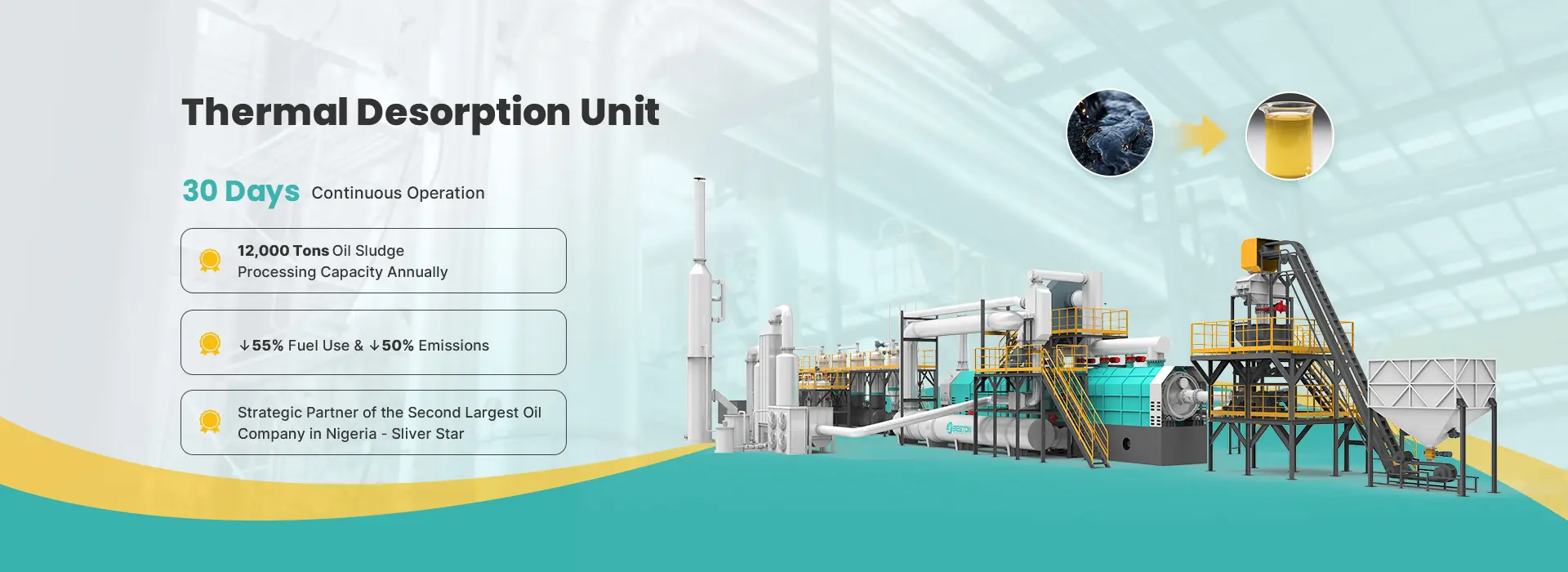
A thermal desorption unit is a highly effective technology used for the remediation of contaminated soil, water, and industrial waste. This process involves the application of heat to remove volatile contaminants, making it an essential tool in environmental cleanup. The system is employed in a variety of industries, particularly those focused on waste management, industrial cleanup, and soil remediation. Understanding the principles behind a thermal desorption unit helps in maximizing its efficiency and ensuring it operates in an environmentally responsible manner.
The Core Principle of Thermal Desorption
At its core, a thermal desorption unit utilizes heat to induce the volatilization of contaminants. This involves the application of high temperatures to a contaminated material, typically soil, water, or sludge, causing organic compounds, such as petroleum hydrocarbons or volatile organic compounds (VOCs), to evaporate. These vapors are then collected, condensed, and treated to prevent their release into the environment.
(繼續閱讀...)
文章標籤

bestongroup 發表在 痞客邦 留言(0) 人氣(3)

  • 個人分類:Tyre/Plastic/Oil Sludge Recycling Solution
▲top
  • 1月 28 週三 202616:12
  • Energy Efficiency Considerations in Biochar Making Machine Systems


Energy performance defines the technical and economic viability of thermochemical biomass conversion. A biochar reactor operates through controlled pyrolytic decomposition, transforming lignocellulosic material into stable carbon while generating process gas and condensable vapors. Efficient systems maximize internal energy circulation, reduce auxiliary fuel demand, and maintain precise thermal conditions. Even minor inefficiencies accumulate over extended operating cycles, influencing both operational expenditure and carbon mitigation outcomes.
Thermal Dynamics and Heat Transfer Optimization
Heat transfer efficiency determines reaction uniformity within a biochar reactor. Biomass exhibits low thermal conductivity and variable moisture content, creating heterogeneous heating profiles. Uniform temperature gradients are essential. Excessive localized heating leads to devolatilization imbalance, while insufficient heat reduces carbonization completeness. Conduction, convection, and radiation must be harmonized through reactor geometry, insulation density, and heating surface configuration. Multi-zone heating strategies distribute thermal load evenly, minimizing exergy loss and stabilizing process kinetics.
(繼續閱讀...)
文章標籤

bestongroup 發表在 痞客邦 留言(0) 人氣(3)

  • 個人分類:Biomass Recycling Machine
▲top
12...22»

文章分類

  • Tyre/Plastic/Oil Sludge Recycling Solution (30)
  • Biomass Recycling Machine (44)
  • Beston Pulp Molding Machine (11)
  • Beston Products (38)
  • 未分類文章 (1)

最新文章

  • The Future of Waste-to-Energy: Innovations in Pyrolysis Technology
  • Biomass Pyrolysis and Incineration: A Comparative Analysis
  • Innovative Applications of Charcoal Made from Biomass in Industry
  • How Waste Plastic Pyrolysis Plant Enables Zero Waste Solutions in Plastic Recycling
  • Key Considerations for Pyrolytic Treatment of Oil Sludge
  • A Comprehensive Guide to Charcoal Making Equipment and Its Applications
  • Understanding the Role of Catalysts in Continuous Pyrolysis Equipment
  • The Benefits of Using Charcoal Making Machines for Small-Scale Producers
  • Pyrolysis Plant: A Comprehensive Profit Analysis
  • Continuous Pyrolysis: The Future of Waste Recycling and Renewable Energy

留言板